

Commentary
A trilateral summit in China was advertised as the new Yalta but yielded little more than a photo opportunity for Vladimir Putin. The real work was being done by the Europeans, quietly, in rural Poland.
Rym Momtaz

The Alliance is being pulled toward a NATO 3.0 model by two structural drivers: the changing character of warfare, made visible by the war in Ukraine, and the redistribution of transatlantic burden-sharing as the United States gives greater priority to homeland security and the Indo-Pacific.
Senior Fellow, Europe Program
Alper Coşkun is a senior fellow in the Europe Program and leads the Türkiye and the World Project at the Carnegie Endowment for International Peace in Washington, DC.
Fatih Ceylan
Tacan İldem
Nihat Kökmen
Yavuz Türkgenci
Senior Fellow, Carnegie Europe
Sinan Ülgen is a senior fellow at Carnegie Europe in Brussels, where his research focuses on Turkish foreign policy, transatlantic relations, international trade, economic security, and digital policy.
Çiğdem Üstün
H.E. Ahmet Üzümcü
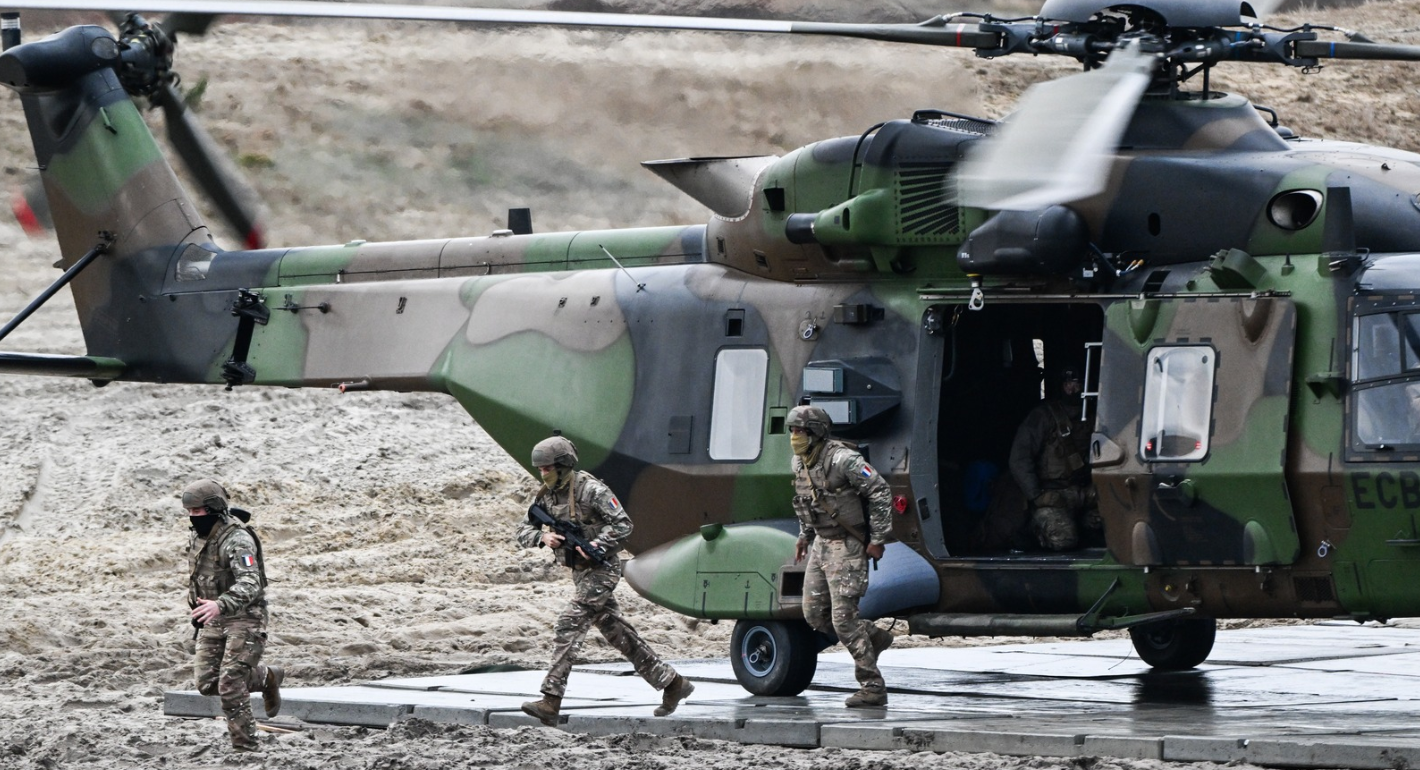
A trilateral summit in China was advertised as the new Yalta but yielded little more than a photo opportunity for Vladimir Putin. The real work was being done by the Europeans, quietly, in rural Poland.

Rym Momtaz
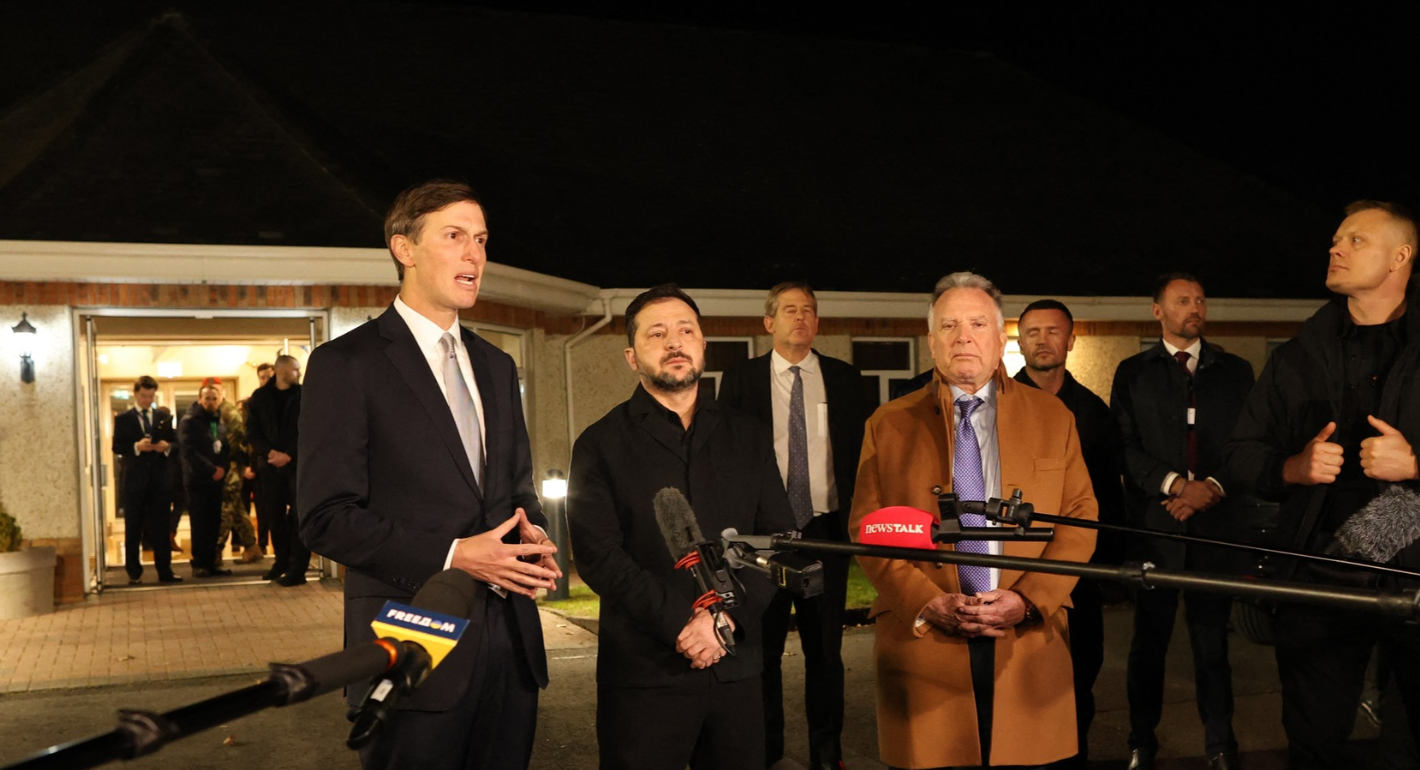
Russia’s maximalist demands are preventing any serious attempt at ending the war in Ukraine. To make peace a realistic prospect, Putin must recognize that diplomacy is a two-way street.
Kadri Liik
Too many national interests, too many EU institutions, and too little political will are preventing Europe from acting in its own best interests.
Judy Dempsey
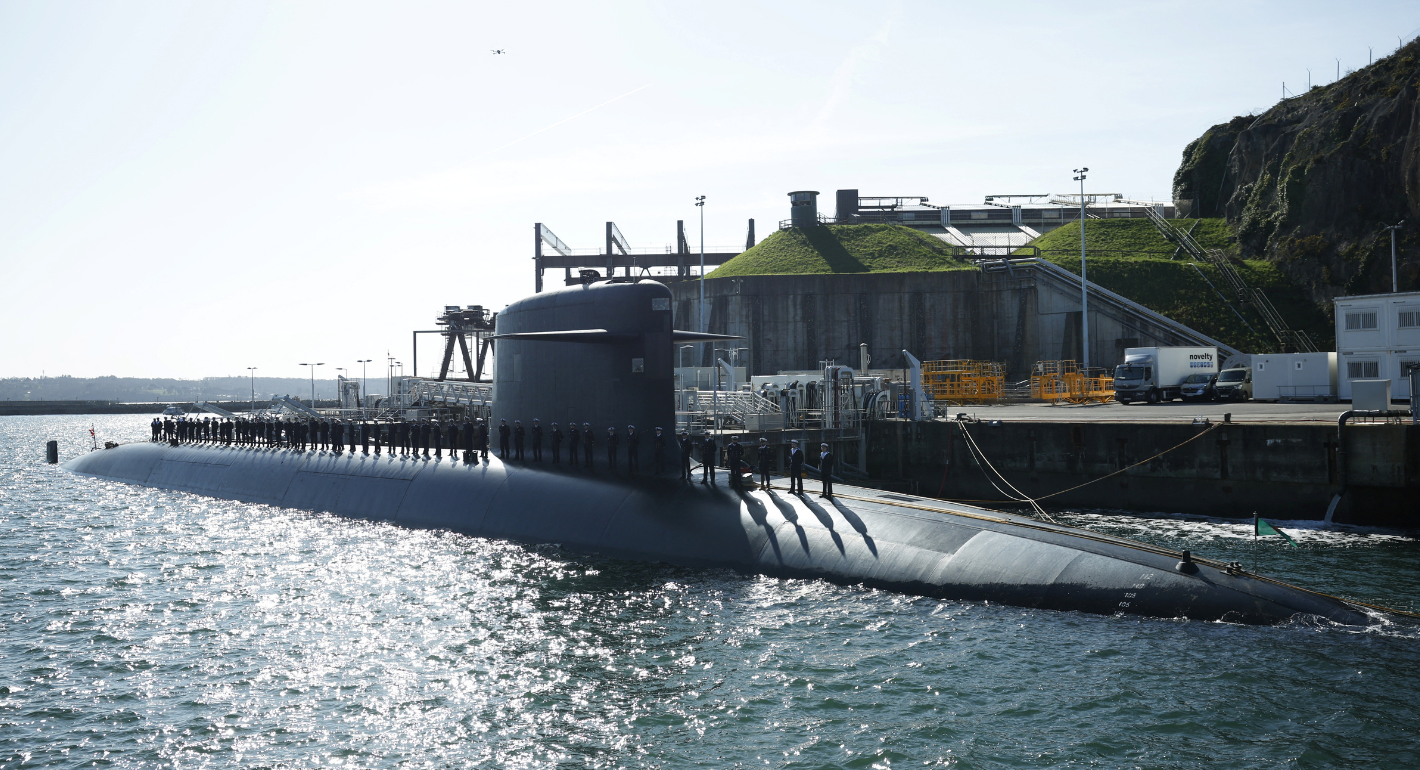
As the nuclear order rapidly evolves, what can Europeans and other key players do to strengthen deterrence and reduce risks?
Jamie Kwong, ed.
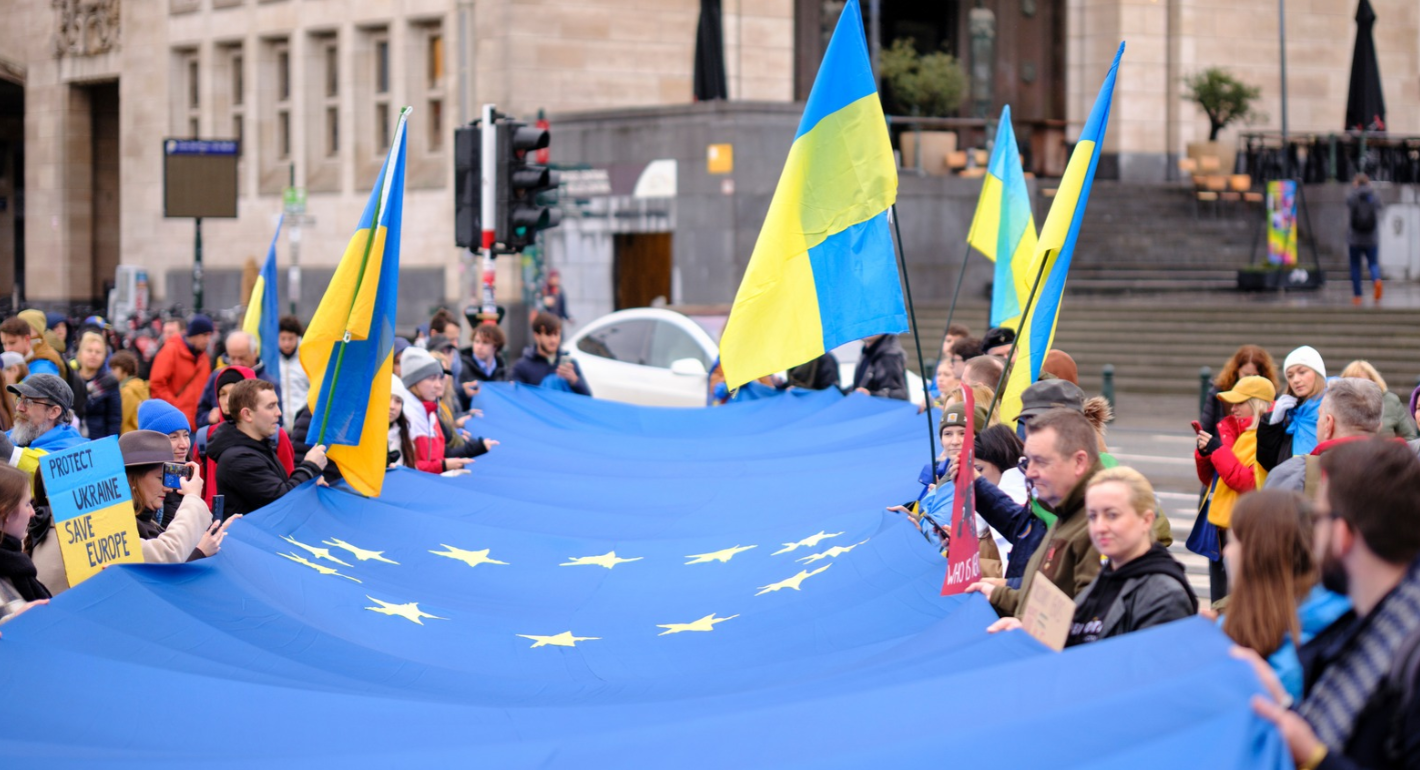
A sizeable funding shortfall looks increasingly likely to hit Ukraine in 2027. Can the Europeans, with their strained budgets and economies, come up with the cash without seizing frozen Russian assets?
Rym Momtaz, ed.