

Commentary
Maksim Samorukov
{
  "authors": [
    "Maksim Samorukov"
  ],
  "type": "other",
  "centerAffiliationAll": "",
  "centers": [
    "Carnegie Endowment for International Peace",
    "Carnegie Russia Eurasia Center"
  ],
  "englishNewsletterAll": "",
  "nonEnglishNewsletterAll": "",
  "primaryCenter": "Carnegie Russia Eurasia Center",
  "programAffiliation": "",
  "programs": [],
  "projects": [],
  "regions": [
    "Western Balkans",
    "Russia"
  ],
  "topics": [
    "Foreign Policy",
    "EU",
    "Security"
  ]
}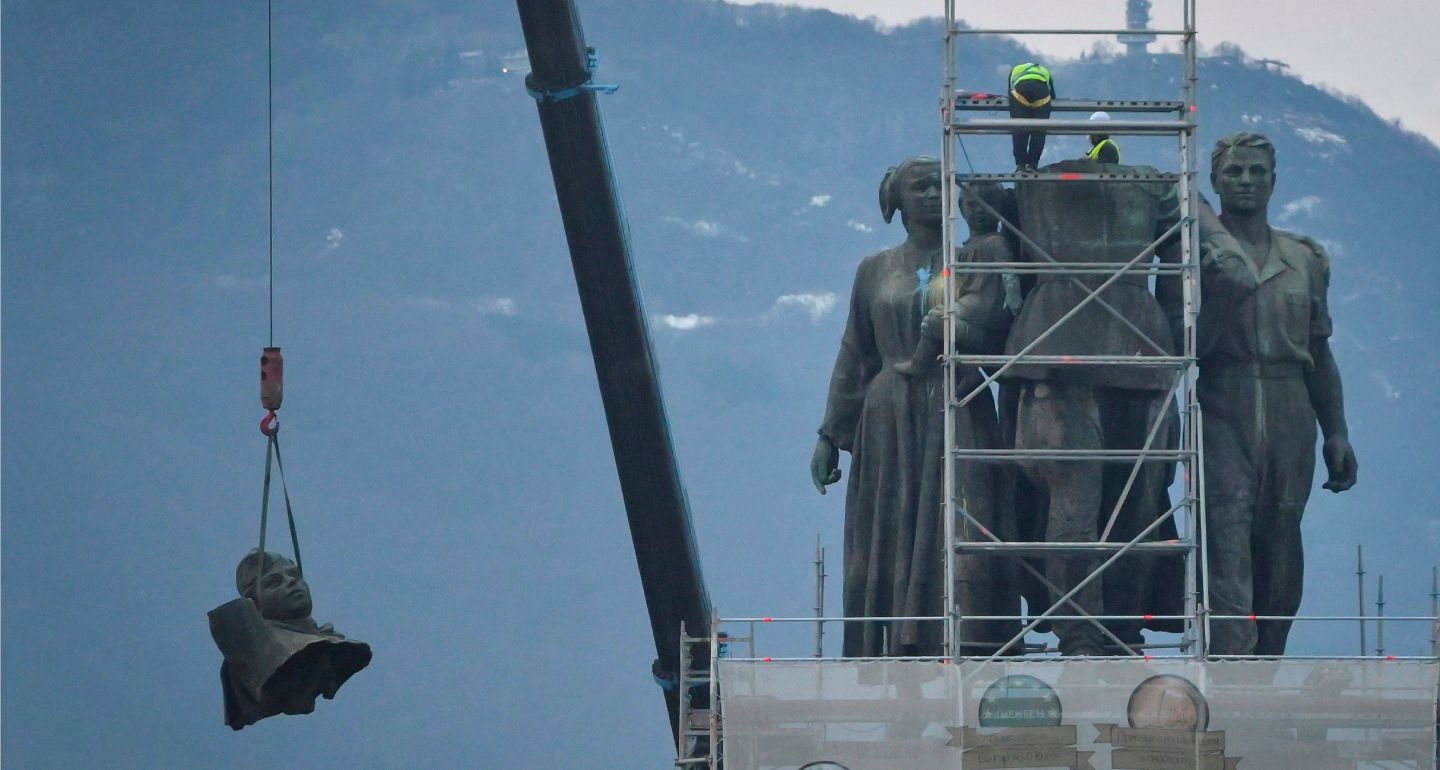
Source: Getty Images
Bulgarians may still know the name of the Russian ambassador better than the frequently changing heads of their own government, but beyond the media buzz, most of Moscow’s leverage in Bulgaria has perished in the flames of Russia’s war against Ukraine.
For over a century and a half, Bulgaria has featured prominently in Russia’s Black Sea strategy. Instead of direct annexation, the country was assigned the role of a humble satellite, always ready to facilitate Russia’s access to Europe and the Mediterranean as well as ward off other powers from Russia’s southern coast. These objectives haven’t changed much in the 21st century. Joint energy projects with Bulgaria were supposed to bring Russian energy giants closer to European markets, bypassing less pliant transit states, while historical affinity with Bulgarians was leveraged to limit NATO’s presence in and around the Black Sea. The results of Russia’s efforts, however, are in many ways the opposite of those intended.
This paper is a part of the project “Russian Intentions and Actions in the Black Sea” by Transatlantic Leadership Network. Other papers of the project are available here.

Fellow, Carnegie Russia Eurasia Center
Samorukov is a fellow at the Carnegie Russia Eurasia Center.
Recent Work
Maksim Samorukov
Maksim Samorukov
Carnegie does not take institutional positions on public policy issues; the views represented herein are those of the author(s) and do not necessarily reflect the views of Carnegie, its staff, or its trustees.
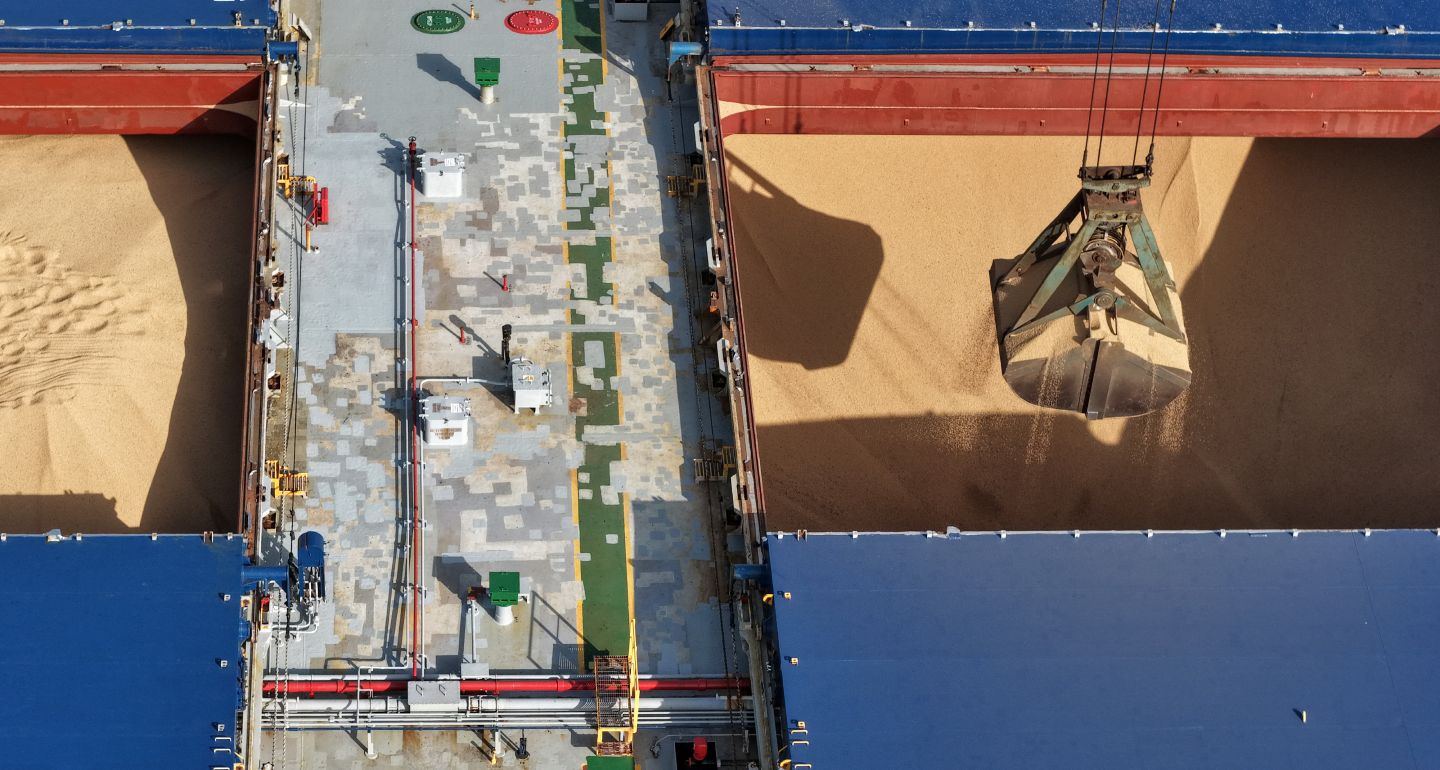
While the current surge in grain trading activity in the Caspian Sea is undeniably impressive, it is constrained by financial, infrastructure, geographic, military, and environmental factors.
Nikita Smagin
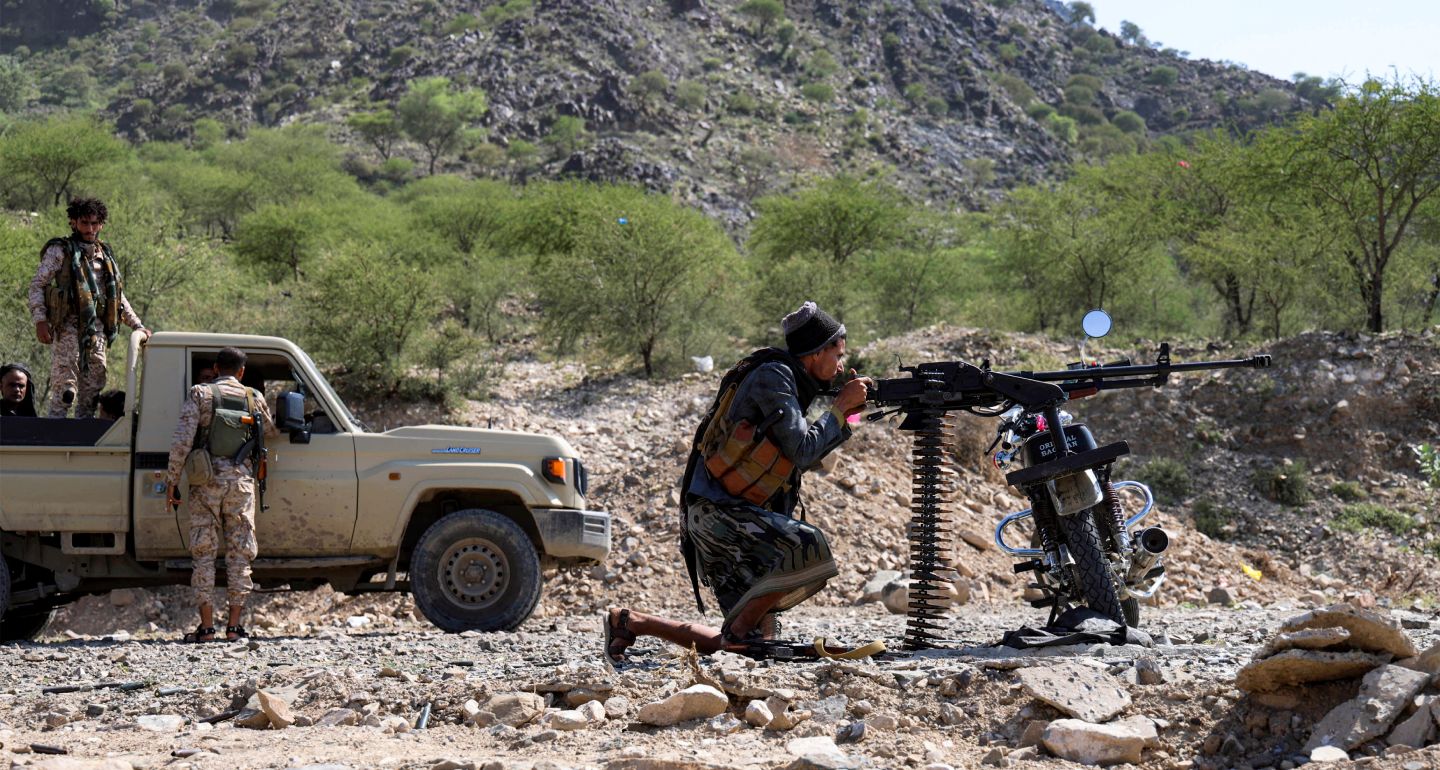
Russia officially endorses Yemen’s formal government while quietly providing military support to the Houthi rebels. However, recent escalation in Yemen has thrust Russia’s game into the spotlight—and risks endangering its relations with the Gulf states.

Ruslan Suleymanov

The concrete goal of an end to the hostilities in Ukraine has been replaced by a host of vague Russian demands concerning a range of issues and regions.

Alexander Baunov
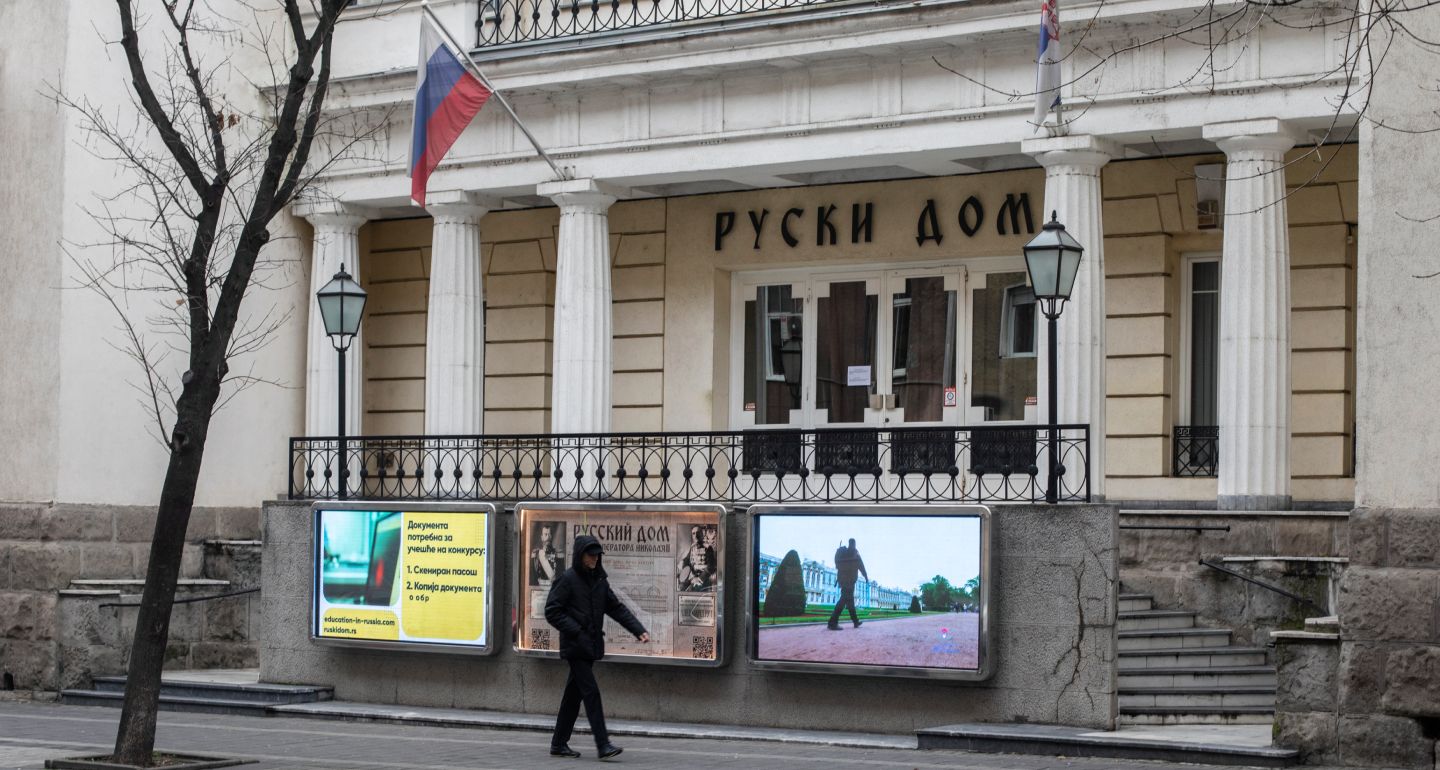
It’s a testing time for Russia’s policy in Serbia and the wider region, but it would be premature to conclude from one political setback that the days of Russian influence are over.

Dimitar Bechev
There are limits as to how far the shift in South Korea’s foreign policy will go.

James D.J. Brown